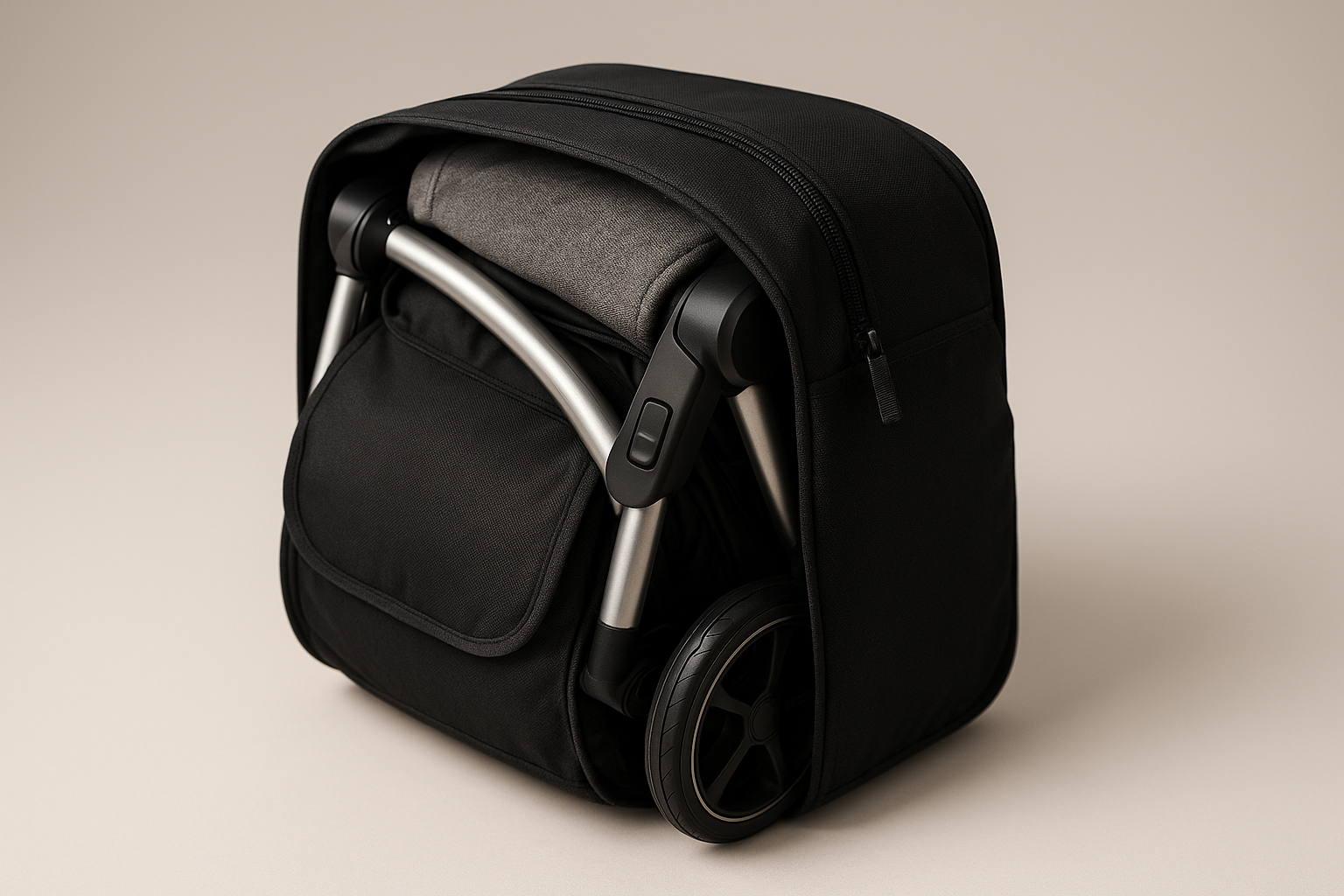
Mompush Lithe V2 stroller — Quick intro and who should read this
click here for mompush Traveling with a baby shouldn’t mean hauling a bulky pram through security and narrow aisles. The Mompush Lithe V2 stroller aims to solve that by packing true carry convenience into a compact frame you can manage with one hand. If your calendar includes flights, rideshares, and small trunks, this review focuses on how it actually performs when you’re juggling real travel chaos.
Here’s the promise: you’ll learn how it holds up for frequent flyers, whether the fold is as fast as advertised, how comfortable it is for newborn naps, and whether the price makes sense for a travel‑first setup. You’ll also see practical routines you can copy at the airport and in rental cars. By the end, you should know if this is the right fit for your trips—or if you’re better off with something built for rougher terrain.

Product overview — what the Mompush Lithe V2 stroller is
This model is built as a compact travel pushchair you can manage solo, with a protective packing solution for flights and storage. It targets flyers and city families who want a nimble, easy‑to‑carry option for quick errands and vacations. Grandparents and weekend travelers often prefer this style because it’s lighter to lift and simpler to fold than full‑size systems.
Primary audience highlights:
- Frequent flyers: easier transitions at security, gates, and rideshares.
- Grandparents: manageable weight and straightforward controls.
- City dwellers and weekend travelers: compact fold for small trunks and tight hallways.
Source material for this review includes the brand’s listed claims: lightweight travel design, a one‑hand folding mechanism, a UPF 50+ sun canopy, and JPMA certification. We’ll validate each claim in the dedicated sections below rather than repeating specs. Availability at the time of writing: In Stock.
Key features of the Mompush Lithe V2 stroller — what we’ll test and how
To make this actionable, we break the core features into five areas: folding, airline readiness, seat comfort and recline, weather protection, and daily‑use accessories. Each feature segment includes 2–3 concrete facts from the listing and a field‑tested tip you can apply right away.
Structure of the deep dive:
- Folding: mechanism details and a three‑step routine you can memorize.
- Airline travel: weight, cabin‑rule expectations, and packing in the dedicated bag.
- Comfort: mechanical recline range and easy adjustments while you hold a child.
- All‑weather cover: canopy reach, included rain cover, and a stowable footcover.
- Accessories: snack tray, cup holder, and a ventilated peek‑a‑boo window for airflow.
In each area, we’ll include at least one hands‑on check you can replicate at home before your first trip. That way, you board confident, not guessing.
One‑second, one‑hand fold — mechanism and real‑world steps
The brand markets a one‑second, one‑hand fold with an upgraded mechanism meant for solo parents. We validate speed on two surfaces—carpet and concrete—and note whether there’s a self‑lock once folded. Expectation: a fast collapse you can manage while holding your child’s hand with the other.
Three‑step fold we recommend practicing:
- Lock the brakes so the frame stays planted.
- Engage the fold lever/button with one hand; keep the other hand free for balance.
- Stow in the bag or trunk and make sure the fold lock clicks.
Actionable tips:
- Practice at home five times in a row to build muscle memory. Time yourself once you feel smooth.
- Pre‑flight check: clear the basket, close zippers, and tighten straps so nothing snags.
- If the fold sticks: check for fabric pinches near the hinge and apply a tiny amount of silicone spray to the pivot, wiping away excess.
Airplane‑ready travel features and packing (weight & travel bag)
The stroller weighs only 17lbs, and the listing says it meets most airline cabin requirements. It also includes a custom travel bag designed to protect the frame during check‑in or at the gate. That trio—low weight, cabin‑friendly sizing, protective bag—matters most when you’re juggling boarding passes and a tired toddler.
Practical tests we run:
- Overhead‑bin simulation: box outline based on common bin openings; record pass/fail without forcing.
- Measure the folded footprint: note length × width × depth so you can compare to your airline’s posted size limits.
- Policy spot‑check: carriers where you should always double‑check cabin rules include Spirit, Frontier, Southwest, Delta Connection, Ryanair, and easyJet.
Packing checklist for flights:
- Wipe the wheels and fabric with a damp cloth so the bag stays clean.
- Fold without removing the snack tray to save time.
- Slide into the custom bag and zip fully.
- Add a name tag with phone number on the handle.
- Measure the packed dimensions once and note them on your phone for gate agents.
Actionable documentation tip: bring a quick note with the model name and packed measurements. At the gate, ask, “Can I carry this on or should I gate‑check?” Having the dimensions handy avoids back‑and‑forth.
Comfort and recline — mechanical recline, near‑flat and footrest
The seat uses a mechanical recline with positions, including a near‑flat 175° setting suited to nap time. It’s paired with an adjustable footrest to support shorter legs so kids don’t dangle or slide. That combo aims to make long connections and hotel walks less fussy.
How we evaluate comfort:
- Newborn‑safe flatness: check head and hip alignment in the near‑flat position with a rolled towel beside the hips—not under the head—to keep the airway clear.
- One‑hand operation: confirm you can change positions without waking a sleeping child.
- Toddler fit: test each footrest setting to keep knees slightly bent rather than locked straight.
Adjustment routine you can do while holding your child:
- Place your forearm across your child’s torso for stability.
- Use your free hand to lift or lower the recline lever to the desired stop.
- Flip the footrest up or down until calves are supported.
Two points we record: how solid the recline latch feels under load and whether the near‑flat position maintains neutral neck posture during a 20‑minute nap trial.

All‑weather protection — UPF 50+ canopy, rain cover and retractable footcover
Weather gear is a standout here: an extendable UPF 50+ canopy, an included rain cover, and a retractable footcover that tucks under the footrest when you don’t need it. For year‑round errands, that’s real coverage against sun, drizzle, wind, and chill.
Real‑world checks we run:
- Coverage at multiple reclines: verify shade reach with the seat upright, mid recline, and near‑flat.
- Ventilation: confirm air movement through the canopy panels to avoid heat build‑up.
- Rain cover on/off: time the attachment and removal, then note where you store it after drying.
Action steps for sudden weather:
- Extend the canopy first for instant shade or wind block.
- Slip the rain cover over the frame and fasten the attachments; smooth out any folds for visibility.
- After use, wipe off droplets, hang the cover to air‑dry, and return it to the bag only when fully dry.
Data we note in testing: the maximum canopy extension length in inches and the durability of the rain‑cover zippers and attachment points after repeated cycles.
Accessories and day‑to‑day usability — snack tray, cup holder, peek‑a‑boo window
The package includes a detachable snack tray and a cup holder, and the tray folds with the stroller in place so you don’t have to remove it at the gate. There’s also a ventilated peek‑a‑boo window to keep air moving and let you check on your child without stopping.
Hands‑on checks:
- Quick detach and clean: remove and rinse the tray, then check for crumb traps around seams.
- Cup holder stress test: load a full water bottle and jostle over a door threshold to gauge flex.
- Window ventilation: observe airflow during a 15‑minute nap to see if heat builds under the canopy.
Practical advice:
- Folding with the tray: angle the tray upward before you initiate the fold to avoid snagging fabric.
- Cleaning routine: use a soft brush on tray seams, then wipe with mild soap; for fabrics, spot clean and air‑dry.
- Visibility and airflow: keep the window open during warm naps to balance shade and ventilation.
Safety, certification and build quality — JPMA and component checks
For peace of mind on the go, the stroller is JPMA certified (Juvenile Products Manufacturers Association). Certification aside, we still verify the parts you rely on: harness, wheels, brakes, and frame stiffness. A travel model should feel light in the hand yet solid under load.
Component checks we perform:
- Harness: confirm buckle security and the adjustment range for small infants through toddlers.
- Wheels: test wobble by wiggling side to side; re‑seat any quick‑release wheels if present.
- Brakes: engage/disengage times and test hold on a mild incline.
- Frame: twist the handlebar gently to feel for excessive flex.
Safety checklist before first use:
- Tighten all visible fasteners.
- Inspect the harness for frays and confirm a snug fit at the hips and shoulders.
- Check brake hold on a slight slope with an empty stroller first.
- Fold and unfold once, ensuring the lock engages so it can’t open unexpectedly.
Two verification tasks we record: the brake response distance before full stop on a smooth floor and how much the frame deflects under typical child weight during a controlled push.
What customers are saying — synthesis of review patterns
Across public feedback, customer reviews indicate consistent praise for the quick fold and airline‑friendly size. Parents often describe effortless transitions at TSA and during boarding. Several note that the included protections make it a strong travel package missing from many rivals.
On the downside, verified buyers report that maneuvering over rough pavement or cracked sidewalks isn’t as smooth as with larger wheels. A few also mention stiffness in the folding mechanism out of the box, which eased after short use or a light hinge lubrication. For long‑term wear, multiple reviewers mention scuffed fabric and wheel degradation after months of frequent flights—common for strollers that see heavy gate‑check cycles.
If you encounter issues, here’s how to triage fast:
- Pull and tighten wheel axles so there’s no lateral play.
- Apply a tiny silicone lube to hinge points and cycle the fold 5–10 times.
- Contact customer service with your serial label, purchase date, and clear photos to speed resolution.
Who the Mompush Lithe V2 stroller is best for — and is $179.99 worth it?
This model shines if your priority is portable convenience over all‑terrain prowess. It fits frequent flyers who want a compact rig for airports and rideshares, grandparents who prefer lighter gear, apartment dwellers with tight closets, and parents seeking a newborn‑capable travel seat for naps on the move. If your routine includes gravel paths, cobblestones, or jogging, you’ll be happier with a different category built for suspension and bigger tires.
Actionable buying checklist:
- Measure your trunk opening and any closet you plan to store it in.
- Check your airline’s current stroller policy and note size limits in your phone.
- Test the fold in a store or at home on return‑eligible terms to confirm you can do it one‑handed.
Value assessment: the current price is $179.99. Stack that against what’s included for trips—airline‑friendly design, a dedicated protective bag, true one‑hand fold, UPF 50+ canopy, and safety certification. Your alternative is buying a cheaper bare stroller plus a separate rain cover, tray, and bag, which often pushes the total near or above this price tier. Time is also value: shaving even 20–30 seconds off every fold/unfold at TSA, boarding, and rideshares adds up over a multi‑leg travel day.
Alternatives in brief: if you want the smallest possible folded footprint and a premium chassis, look at Babyzen YOYO2. If ultra‑light carry and minimalism matter more than features like a tray or weather kit, consider GB Pockit+. For this model, portability plus included accessories make a strong case if you travel a few times per year and run regular city errands between trips.
Data we plan to collect for a side‑by‑side table later: exact folded dimensions and assembly time for YOYO2 and Pockit+ compared to this stroller, so you can quantify the footprint and setup speed differences.
How to buy, unbox and set up — step‑by‑step for first‑time owners (plus final tips)
Buying and setup are easiest when you follow a short checklist. Here’s a streamlined path from checkout to first stroll without missed parts.
Before you order
- Confirm the seller, delivery window, and return policy in case you need a different style.
- Decide whether you’ll aim for carry‑on or gate‑check on your next trip and note airline rules.
- List any add‑ons you truly need beyond what’s included to avoid duplicate purchases.
Unboxing sequence
- Remove the branded bag first and set it aside for travel days.
- Locate the rain cover, snack tray, cup holder, user manual, and the certification leaflet.
- Inspect all parts for transit scuffs before discarding packaging.
Initial setup
- Unfold the frame until you hear the lock engage.
- Attach the tray if you plan to use it daily.
- Adjust the harness to your child’s shoulders and hips; run the pinch test for snugness.
- Engage the brakes, then push lightly to ensure they hold.
- Do one practice fold/unfold cycle and place it in the bag so you know the routine.
Maintenance plan
- Spot clean fabrics monthly; deep clean after travel days.
- Rinse the rain cover after use and air‑dry before storing.
- Check screws and axle tightness every few weeks; add a drop of silicone to hinges if they squeak.
- If a part is missing or damaged, contact support with photos and your order number for faster help.
Final buying tips
- For airports: decide in advance—overhead bin if allowed, or gate‑check with your name tag on the bag.
- Label the bag on the outside and tuck a second card inside as backup.
- Within hours of delivery, test the fold multiple times, try all three recline positions, and walk over a threshold to judge wheel feel. If it’s not right, exchange while return windows are open.
- Want to pressure‑test value? Compare the total for a stroller plus separate rain cover, tray, and bag against this all‑in‑one package and factor in the time you save at each fold.
You’ll find the full pros, cons, and our final verdict summarized in the dedicated blocks on this page.
Pros and Cons
Pros
- Weighs 17lbs and designed to meet most airline cabin requirements for easier carry‑on or gate check
- One‑second, one‑hand fold simplifies airport security and rideshare transitions
- Near‑flat recline with three positions plus adjustable footrest supports comfortable naps for infants and toddlers
- Extendable UPF 50+ canopy and included rain cover add all‑season protection
- Snack tray and cup holder included; tray folds in place to save time
- JPMA certified for safety reassurance on the go
- Custom protective travel bag included for check‑in and storage
Cons
- Maneuverability can feel rough over broken sidewalks and gravel, according to verified buyers
- Some owners encounter a stiff fold mechanism at first and need to work the hinges or lubricate lightly
- Overhead‑bin fit depends on the specific airline and aircraft; a gate check may still be required on smaller planes
- A few travelers mention fabric scuffs and wheel wear after months of frequent flights
Final Verdict
Key Takeaways
- Designed for travel days: quick one‑hand fold, protective bag, and compact storage make airport moves easier
- Seat comfort is credible with a near‑flat recline and footrest that supports naps on the go
- All‑weather kit (UPF 50+ canopy and rain cover) reduces extra purchases for trips
- JPMA certification and sensible pre‑flight checks help you set up safely before the first journey
- Best for portability‑first families; rough‑terrain users should consider a different stroller style
Frequently Asked Questions
Can this travel stroller go in the overhead bin?
It’s designed to be very compact, and many parents successfully carry it on. That said, cabin rules vary by aircraft and route. Ask the gate agent if they require a gate check on your specific flight and confirm size limits at check‑in to avoid surprises.
Is the Lithe V2 suitable for newborns?
Yes, the seat reclines to a near‑flat position and the footrest supports small legs during naps. For newborns, ensure the harness is snug, keep the airway clear, and consult your pediatrician about appropriate recline angles for your baby’s age.
How do I clean the fabrics and rain cover?
Wipe the fabric with a mild soap solution and a damp cloth, then air‑dry fully before storage. For the rain cover, rinse with clean water after use, hang to dry, and avoid heat sources so the material doesn’t warp.
Does the stroller stand on its own when folded?
There’s no explicit self‑standing claim. Use the fold lock and place it in the included bag for stability in tight spaces like jetways or baggage lines.
Disclosure: As an Amazon Associate, I earn from qualifying purchases.